Opioid Addiction Treatment
Find Opioid Addiction Treatment centers across Canada. Browse verified treatment facilities offering evidence-based programs for opioids addiction.
Medical disclaimer: This content is for informational purposes only and does not constitute medical advice, diagnosis, or treatment. Always consult a qualified healthcare professional before making decisions about addiction treatment.
Opioid addiction treatment in Canada combines medication-assisted treatment (MAT), behavioural therapy, and peer support to address the physical and psychological dimensions of opioid use disorder. Programs are available across all provinces, including residential, outpatient, and medically supervised detox services.
Understanding Opioid Addiction
Opioids are a class of drugs that include prescription painkillers (oxycodone, hydrocodone, morphine), illegal substances (heroin), and extremely potent synthetics (fentanyl, carfentanil). They bind to opioid receptors in the brain and spinal cord, blocking pain signals and producing intense euphoria. Canada is in the midst of an opioid crisis, with over 7,000 apparent opioid toxicity deaths in 2022 alone—a 139% increase since 2016.
The crisis has been driven primarily by illicit fentanyl contaminating the drug supply. Fentanyl is 50-100 times more potent than morphine, and even small amounts can be lethal. Many overdose victims didn’t know they were consuming fentanyl—it’s often mixed into heroin, cocaine, methamphetamine, and counterfeit pills without users’ knowledge.
Extreme Overdose Risk
Opioids suppress respiratory function. Overdose causes breathing to slow or stop, leading to death within minutes. Naloxone (Narcan) can reverse overdoses if administered quickly. Always call 911.
Warning Signs
- • Taking larger doses than prescribed
- • “Doctor shopping” for multiple prescriptions
- • Drowsiness, confusion, constricted pupils
- • Withdrawal symptoms between doses
- • Using despite health/social consequences
Medication-Assisted Treatment Works
FDA-approved medications (buprenorphine, methadone, naltrexone) reduce cravings and prevent relapse. Research shows MAT reduces overdose deaths by 50% and improves treatment retention.
Canada’s Opioid Crisis
According to Health Canada and the Public Health Agency of Canada:
- 7,328 apparent opioid toxicity deaths occurred in Canada in 2022
- 96% of deaths in 2022 involved fentanyl or fentanyl analogues
- 22 Canadians die daily from opioid-related overdoses
- 139% increase in opioid deaths between 2016-2022
- Males aged 20-59 represent the majority of overdose deaths
Source: Health Canada Opioid and Stimulant-related Harms in Canada (March 2023)
Evidence-Based Treatment for Opioid Use Disorder
Medication-Assisted Treatment (MAT) is the gold standard for opioid use disorder, combining FDA-approved medications with behavioral therapy. SAMHSA research shows MAT reduces mortality risk by 50% compared to detox alone, and significantly improves treatment retention and quality of life.
Medication-Assisted Treatment (MAT)
Three FDA-approved medications for opioid use disorder:
- Buprenorphine (Suboxone): Partial opioid agonist that reduces cravings without producing significant euphoria. Available as sublingual film, tablet, or monthly injection (Sublocade).
- Methadone: Full opioid agonist dispensed daily at specialized clinics. Reduces overdose risk by 50-75%.
- Naltrexone (Vivitrol): Opioid antagonist that blocks opioid receptors. Monthly injection prevents relapse but requires 7-10 days opioid-free before starting.
Medical Detoxification
While opioid withdrawal is not life-threatening (unlike alcohol), symptoms are extremely uncomfortable. Medical management with comfort medications and buprenorphine significantly reduces discomfort and improves transition to ongoing MAT.
Behavioral Therapies
Cognitive Behavioral Therapy (CBT) and Contingency Management combined with MAT achieve treatment retention rates exceeding 80%.
Harm Reduction & Naloxone Access
Naloxone (Narcan) nasal spray reverses opioid overdoses within minutes. Available without prescription at Canadian pharmacies. Everyone should carry naloxone.
Treatment Duration: Individual Approach Required
The goal of MAT is stabilization and recovery—not lifelong medication dependence. Treatment duration should be individualized based on severity, support systems, co-occurring conditions, and patient goals.
Research shows two paths can work:
- Extended maintenance (12+ months): Recommended for severe addiction, previous overdoses, unstable housing, or limited support. Reduces overdose risk by 50% while building recovery foundation.
- Medically supervised taper (4+ weeks): Research shows 50% achieve successful medication-free recovery with proper tapering protocol, transition to naltrexone, and ongoing behavioral therapy. Best for lower severity, strong support systems, and patient preference for medication-free recovery.
Critical: Never stop MAT abruptly. Work with your treatment team to develop an individualized plan. Both extended maintenance and planned tapering are evidence-based approaches when implemented properly.
Sources & References
1. Statistics Canada. Opioid-Related Harms in Canada. 2024. statcan.gc.ca
2. Health Canada & Public Health Agency of Canada. Opioid and Stimulant-Related Harms. 2024. health-infobase.canada.ca
3. National Institute on Drug Abuse (NIDA). Opioid Overdose Crisis. 2024.
4. Canadian Research Initiative in Substance Misuse (CRISM). National Guideline for the Clinical Management of Opioid Use Disorder. 2023.
5. Centre for Addiction and Mental Health (CAMH). Opioid Addiction Treatment. 2024.
6. Substance Abuse and Mental Health Services Administration (SAMHSA). Medication-Assisted Treatment (MAT). 2024.
7. Lancet Public Health. Effectiveness of Medication-Assisted Treatment for Opioid Use Disorder. 2023.
Get Help for Opioid Addiction
If you or someone you love is struggling with opioid addiction, help is available 24/7. Medication-Assisted Treatment is proven to save lives and support long-term recovery.
Sources & Further Reading
Last reviewed
April 14, 2026
Treatment Centers for Opioid Addiction
Akwesasne Addiction and Counselling Program
Akwesasne Addiction and Counselling Program provides community-based outpatient addiction counselling for Mohawk community members in Cornwall, Ontario, grounded in Kanien'kehá:ka cultural values.
Alcare Place (now 2 Denarii Society) in Halifax/Dartmouth provided an 11-bed one-year residential recovery program for men 19+, offering life skills, relapse prevention, individual counselling, and holistic care partnered with the Nova Scotia Department of Health and Wellness.
Alcove Addiction Recovery for Women
Alcove Addiction Recovery for Women is a Calgary treatment centre offering gender-specific inpatient, outpatient, IOP, and sober living programs with holistic therapies for women overcoming addiction to alcohol, drugs, and other substances.
Algoma Substance Abuse Rehabilitation Centre
Algoma Substance Abuse Rehabilitation Centre (Breton House) in Sault Ste. Marie provides gender-specific residential and outpatient addiction treatment for adults in the Algoma region.
Amethyst Women's Addiction Centre
Amethyst Women's Addiction Centre in Ottawa provides non-residential outpatient addiction and gambling treatment programs for women, offering individual and group counselling in English and French.
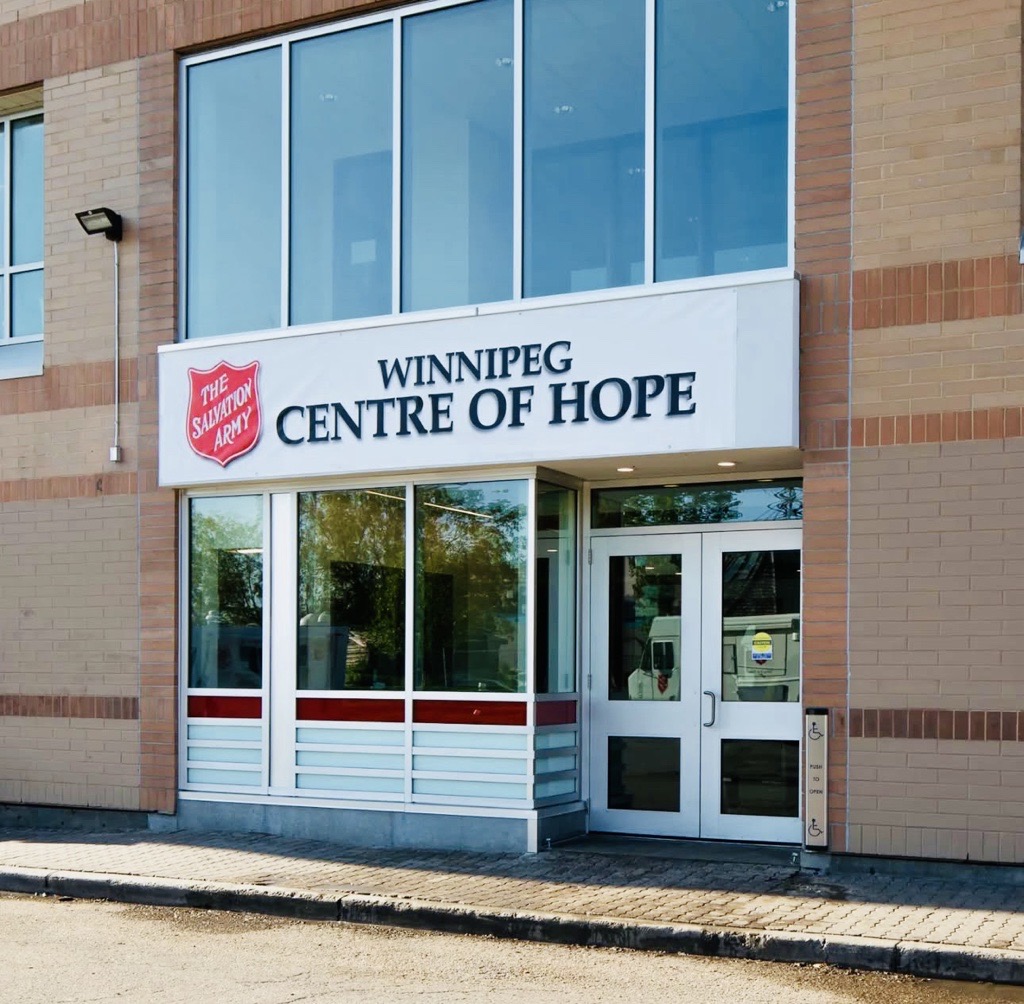
The Salvation Army Anchorage Booth Centre (now Winnipeg Centre of Hope) at 180 Henry Avenue provides residential addiction recovery, emergency shelter, transitional housing, aftercare, and wraparound community support for individuals and families in Winnipeg's core.
Athabasca Health Authority - Addiction Services
Athabasca Health Authority provides outpatient addiction and wellness services to five remote northern Saskatchewan communities including Black Lake and Fond du Lac Denesųłiné First Nations.
Attitude Centre de Ressourcement
Centre Attitude de Ressourcement in Piedmont, Quebec offers intensive residential addiction treatment in the Laurentians, emphasizing personal transformation and reconnection with self.
Awakenings Health and Wellness Centre
Awakenings Health and Wellness Centre in Abbotsford offers medically supervised detox, inpatient residential treatment, holistic therapy, and outpatient services for individuals dealing with alcohol, opioid, benzodiazepine, and other substance use disorders in the Fraser Valley.
BC Teen Challenge's Okanagan Men's Centre in Lake Country is a long-term faith-based residential recovery program for men, offering a minimum 12-month live-in program plus 18-month aftercare in a rural Okanagan Valley setting with holistic programming and Christ-centred recovery.
The Salvation Army Victoria ARC's Beacon of Hope House in Victoria provides inpatient residential addiction recovery, housing support, holistic counselling, and community services for individuals navigating addiction and homelessness on Vancouver Island.
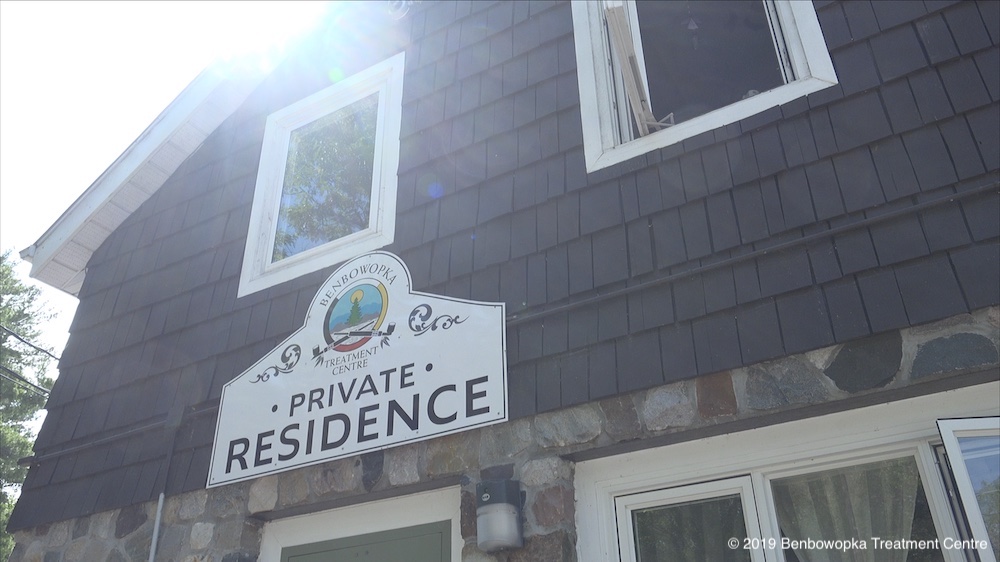
Benbowopka Treatment Centre
Benbowopka Treatment Centre in Blind River, Ontario is an Indigenous-led residential treatment centre founded by seven First Nations communities, offering culturally based harm-reduction inpatient and outpatient programming.
Bonnyville Indian Metis Rehabilitation Centre is a licensed 42-day residential addiction treatment facility in Bonnyville, Alberta, offering individualized, culturally grounded care that blends Indigenous healing practices with professional counselling for alcohol and drug addiction.
Brock Cottage
Brock Cottage in Brockville, Ontario is an LLGAMH residential addiction treatment home for men 19+, offering a long-term abstinence-based program of 5–7 months with therapeutic community programming.

Carcross/Tagish First Nation
Carcross/Tagish First Nation provides community-based outpatient addiction and wellness services grounded in Southern Tutchone and Tagish cultural traditions in Carcross, Yukon.

CIPTO in Gatineau, Quebec provides outpatient addiction intervention, prevention, and harm reduction services to individuals and communities across the Outaouais region.
Centre de Readaptation en Dependance de Lanaudiere - Centre Andre-Boudreau
Centre André-Boudreau in Saint-Jérôme, Quebec provides specialized outpatient addiction rehabilitation for youth and adults in the Lanaudière region, integrated within the CISSS de Lanaudière health network.
Centre de Readaptation Ubald-Villeneuve
Centre de Réadaptation Ubald-Villeneuve in Quebec City is the Capitale-Nationale's only public specialized addiction facility, offering residential, IOP, and dual diagnosis programming for youth and adults.
Centre Walgwan
Centre Walgwan in Maria, Quebec provides culturally grounded residential and outpatient addiction treatment for Indigenous youth, focused on empowering autonomous and resilient young people.
Chabad Project Pride
Chabad Project Pride in Montreal provides outpatient addiction counselling and recovery support informed by Jewish values, serving individuals and families through Chabad Lifeline's community-centred programs.
Get Help Now
Speak with an addiction specialist about opioid addiction treatment treatment options.
+1-877-254-3348Get Support