Cocaine Addiction Treatment
Find Cocaine Addiction Treatment centers across Canada. Browse verified treatment facilities offering evidence-based programs for cocaine addiction.
Medical disclaimer: This content is for informational purposes only and does not constitute medical advice, diagnosis, or treatment. Always consult a qualified healthcare professional before making decisions about addiction treatment.
Cocaine addiction treatment in Canada offers evidence-based programs to help individuals overcome cocaine use disorder and reclaim their lives. Canadian rehab centres provide residential treatment, intensive outpatient programs, and behavioural therapy specifically designed to address cocaine dependence and prevent relapse.
Understanding Cocaine and Crack Cocaine Addiction
Cocaine is a powerful stimulant drug extracted from coca plant leaves. It works by blocking dopamine reuptake in the brain’s reward pathway, creating an intense but short-lived euphoria followed by a crash that drives compulsive re-dosing. Approximately 2% of Canadians use cocaine in some form, and recent wastewater data shows cocaine use has been steadily rising across Canada since 2020.
Cocaine comes in two primary forms: powder cocaine (cocaine hydrochloride), which is snorted or dissolved and injected, and crack cocaine, a processed “freebase” form that is smoked. While they are chemically the same drug, the route of administration profoundly affects addiction risk—smoking crack delivers cocaine to the brain in seconds, producing more intense euphoria and stronger compulsive use patterns than snorting powder.
Cardiovascular Emergency Risk
Cocaine causes vasoconstriction, elevated heart rate, and increased blood pressure—leading to heart attacks, strokes, and sudden cardiac death even in young, healthy users. Emergency room visits spike with cocaine use.
Warning Signs
- • Periods of intense energy followed by crashes
- • Dilated pupils and increased talkativeness
- • Financial problems from expensive habit
- • Nasal damage (powder) or burned fingers (crack)
- • Paranoia, anxiety, or aggressive behavior
Polysubstance Risk
Statistics Canada reports that stimulants are involved in roughly 50% of opioid-related overdose deaths. Cocaine is increasingly found mixed with fentanyl, creating unpredictable and deadly combinations.
Powder Cocaine vs. Crack Cocaine
Powder Cocaine (Cocaine HCl)
- • White crystalline powder
- • Snorted nasally or dissolved for injection
- • Effects begin in 3-5 minutes (snorting)
- • Duration: 15-30 minutes
- • Causes nasal damage, septal perforation
Crack Cocaine (Freebase)
- • Solid crystal “rocks” that crackle when heated
- • Smoked using pipes
- • Effects begin in 5-10 seconds
- • Duration: 5-10 minutes (intense crash follows)
- • Higher addiction risk due to rapid onset
Important: While crack cocaine carries higher addiction risk due to its rapid delivery method, both forms cause the same health complications and respond to the same treatment approaches. Treatment centers address cocaine use disorder regardless of form used.
How Cocaine Affects the Brain
Cocaine hijacks the brain’s natural reward system by blocking the reuptake of dopamine—a neurotransmitter associated with pleasure, motivation, and movement. Normally, dopamine is released during rewarding activities (eating, sex, achievement) and then recycled back into neurons. Cocaine prevents this recycling, causing dopamine to accumulate in synapses and produce intense euphoria.
The problem: chronic cocaine use depletes dopamine reserves and down-regulates dopamine receptors. Users develop anhedonia (inability to feel pleasure from normal activities) and require cocaine just to feel normal. This neuroadaptation drives compulsive use and makes early abstinence particularly challenging.
Health Consequences of Cocaine Use
Immediate Risks
- • Cardiovascular: Heart attack, stroke, arrhythmias, aortic dissection
- • Neurological: Seizures, headaches, loss of smell (snorting)
- • Psychiatric: Paranoia, hallucinations, panic attacks, violent behavior
- • Respiratory: Lung damage, respiratory failure (crack smoking)
Long-Term Damage
- • Cardiac: Cardiomyopathy, coronary artery disease, hypertension
- • Nasal: Septal perforation, chronic nosebleeds (powder)
- • Cognitive: Memory impairment, decision-making deficits, attention problems
- • Mental Health: Depression, anxiety disorders, psychosis
Treatment for Cocaine Addiction
Unlike opioid or alcohol use disorders, there are currently no FDA-approved medications for cocaine addiction. Treatment relies primarily on behavioral therapies, which have proven highly effective when patients remain engaged in structured programs.
Evidence-Based Treatment Approaches
Cognitive Behavioral Therapy (CBT)
The gold standard for cocaine treatment. CBT helps patients identify triggers, develop coping strategies, and modify thought patterns that lead to drug use. Modified CBT (M-CBT) has been developed specifically for cocaine users with cognitive impairments.
Contingency Management (CM)
Also called voucher-based reinforcement therapy (VBRT). Patients earn tangible rewards (vouchers, prizes) for verified abstinence through drug testing. CM has strong evidence for promoting initial abstinence and is most effective when combined with counseling.
Community Reinforcement Approach (CRA)
Comprehensive behavioral program that helps patients restructure their environment to support recovery. Includes job counseling, social skills training, family therapy, and development of drug-free recreational activities.
Matrix Model
Intensive 16-week outpatient program combining CBT, family therapy, drug education, self-help groups, and regular drug testing. Designed specifically for stimulant users and has demonstrated strong outcomes.
Medication Research
While no medications are currently approved, several are being studied:
- • Disulfiram (Antabuse): Originally for alcohol, shows promise in reducing cocaine use
- • Topiramate: Anti-seizure medication that may reduce cravings
- • NAC (N-Acetylcysteine): Amino acid supplement showing potential in early studies
- • Modafinil: Wakefulness-promoting agent being tested for cocaine dependence
Note: These medications are not FDA-approved for cocaine use disorder and should only be used under medical supervision as part of research protocols or off-label with physician guidance.
What to Expect in Treatment
Cocaine treatment typically begins with a comprehensive assessment and stabilization period. Unlike alcohol or opioids, cocaine withdrawal is not medically dangerous but can be psychologically intense.
Treatment Timeline
Week 1-2: Acute Withdrawal
Fatigue, depression, intense cravings, increased appetite, vivid dreams. Medical monitoring provides support but no life-threatening symptoms occur. Focus on rest, nutrition, and beginning engagement with therapy.
Week 3-12: Early Recovery
Intensive behavioral therapy (multiple sessions per week), group counseling, life skills training. Cravings remain strong but become more manageable with coping strategies. This period carries high relapse risk— structured programs significantly improve outcomes.
Month 4-12: Consolidation
Transition to less intensive outpatient care, continued counseling, peer support groups. Dopamine system begins recovering. Focus shifts to building healthy lifestyle, repairing relationships, and relapse prevention.
Year 2+: Ongoing Recovery
Aftercare, periodic check-ins, ongoing support group participation. Many patients report cognitive function continues improving for 12-18 months. Long-term recovery rates improve significantly with extended treatment engagement.
The Importance of Treatment Completion
Research consistently shows that remaining in treatment for the full recommended duration is the strongest predictor of successful recovery from cocaine addiction. Programs are typically 90 days minimum, with many experts recommending 6-12 months of structured support.
Early dropout is common with stimulant users—choosing a program with strong engagement strategies (contingency management, family involvement, structured activities) significantly improves retention.
Finding Cocaine Treatment in Canada
Treatment centers across Canada offer specialized programs for stimulant use disorders. When evaluating programs, look for:
- • Evidence-based therapies: CBT, contingency management, community reinforcement
- • Dual diagnosis capability: Treatment for co-occurring mental health conditions (common with cocaine users)
- • Structured programming: Full schedules that limit unstructured time and provide accountability
- • Length of stay: Minimum 90 days for residential programs; intensive outpatient should be at least 12 weeks
- • Continuing care planning: Aftercare referrals, support group connections, relapse prevention strategies
Sources & References
1. CBC News. Cocaine Use Rising in Canada, New Data Suggests. November 2023. cbc.ca
2. Statistics Canada. Canadian Wastewater Survey: Stimulant Use Trends. 2024.
3. National Institute on Drug Abuse (NIDA). Cocaine Research Report. 2024.
4. American Journal of Psychiatry. Partial Recovery of Brain Metabolism in methamphetamine Abusers. 2023.
5. Journal of Substance Abuse Treatment. Modified Cognitive Behavioral Therapy for Cocaine Dependence. 2023.
6. Substance Abuse and Mental Health Services Administration (SAMHSA). Treatment for Stimulant Use Disorders. 2024.
7. National Institutes of Health. The Treatment of Cocaine Use Disorder. 2023.
Ready to Get Help for Cocaine Addiction?
Cocaine addiction is treatable. With evidence-based behavioral therapies and comprehensive support, recovery is possible. Don’t wait—every day increases health risks and deepens addiction patterns.
Sources & Further Reading
Last reviewed
April 14, 2026
Treatment Centers for Cocaine Addiction
Akwesasne Addiction and Counselling Program
Akwesasne Addiction and Counselling Program provides community-based outpatient addiction counselling for Mohawk community members in Cornwall, Ontario, grounded in Kanien'kehá:ka cultural values.
Alcare Place (now 2 Denarii Society) in Halifax/Dartmouth provided an 11-bed one-year residential recovery program for men 19+, offering life skills, relapse prevention, individual counselling, and holistic care partnered with the Nova Scotia Department of Health and Wellness.
Alcove Addiction Recovery for Women
Alcove Addiction Recovery for Women is a Calgary treatment centre offering gender-specific inpatient, outpatient, IOP, and sober living programs with holistic therapies for women overcoming addiction to alcohol, drugs, and other substances.
Algoma Substance Abuse Rehabilitation Centre
Algoma Substance Abuse Rehabilitation Centre (Breton House) in Sault Ste. Marie provides gender-specific residential and outpatient addiction treatment for adults in the Algoma region.
Amethyst Women's Addiction Centre
Amethyst Women's Addiction Centre in Ottawa provides non-residential outpatient addiction and gambling treatment programs for women, offering individual and group counselling in English and French.
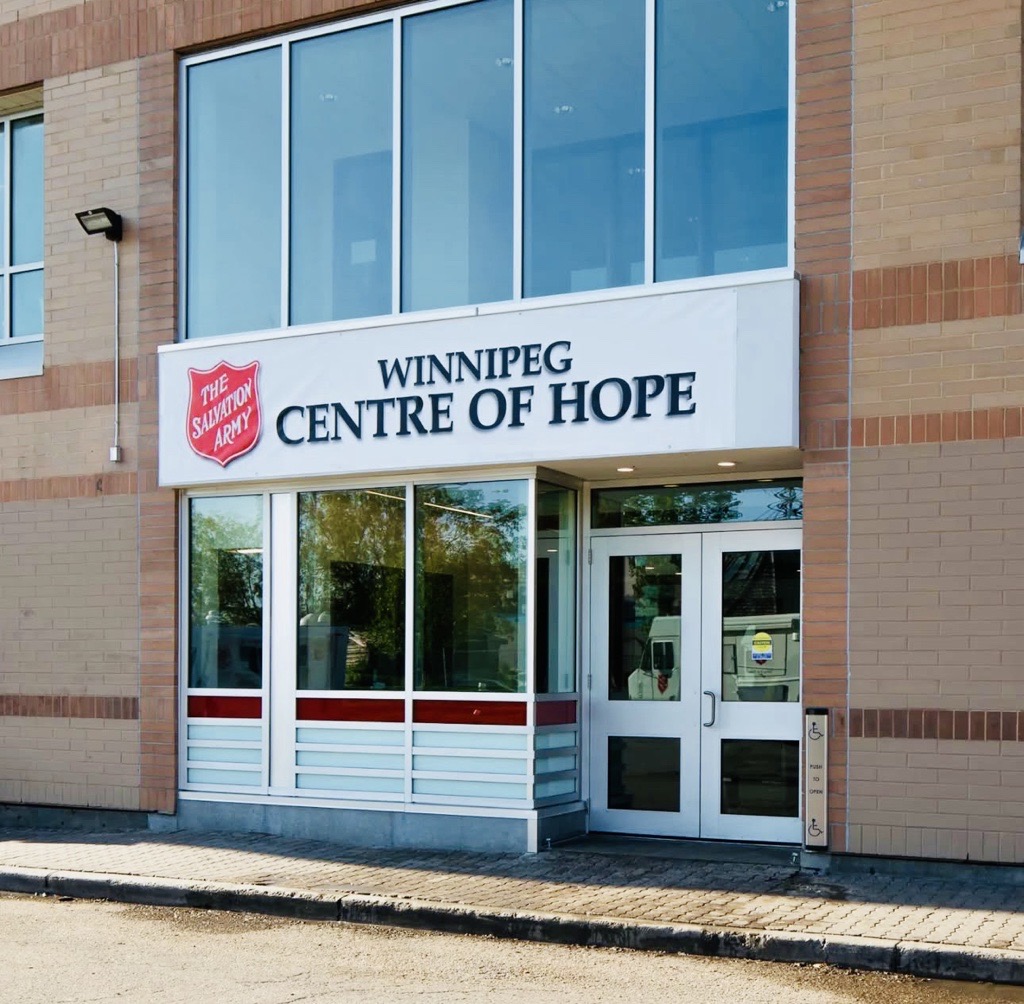
The Salvation Army Anchorage Booth Centre (now Winnipeg Centre of Hope) at 180 Henry Avenue provides residential addiction recovery, emergency shelter, transitional housing, aftercare, and wraparound community support for individuals and families in Winnipeg's core.
Athabasca Health Authority - Addiction Services
Athabasca Health Authority provides outpatient addiction and wellness services to five remote northern Saskatchewan communities including Black Lake and Fond du Lac Denesųłiné First Nations.
Attitude Centre de Ressourcement
Centre Attitude de Ressourcement in Piedmont, Quebec offers intensive residential addiction treatment in the Laurentians, emphasizing personal transformation and reconnection with self.
Awakenings Health and Wellness Centre
Awakenings Health and Wellness Centre in Abbotsford offers medically supervised detox, inpatient residential treatment, holistic therapy, and outpatient services for individuals dealing with alcohol, opioid, benzodiazepine, and other substance use disorders in the Fraser Valley.
BC Teen Challenge's Okanagan Men's Centre in Lake Country is a long-term faith-based residential recovery program for men, offering a minimum 12-month live-in program plus 18-month aftercare in a rural Okanagan Valley setting with holistic programming and Christ-centred recovery.
The Salvation Army Victoria ARC's Beacon of Hope House in Victoria provides inpatient residential addiction recovery, housing support, holistic counselling, and community services for individuals navigating addiction and homelessness on Vancouver Island.
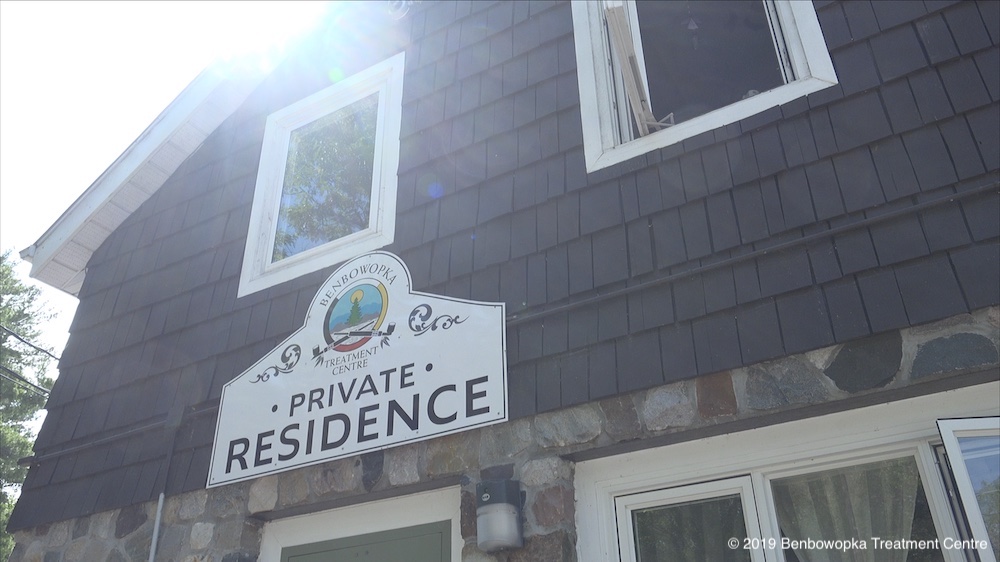
Benbowopka Treatment Centre
Benbowopka Treatment Centre in Blind River, Ontario is an Indigenous-led residential treatment centre founded by seven First Nations communities, offering culturally based harm-reduction inpatient and outpatient programming.
Bonnyville Indian Metis Rehabilitation Centre is a licensed 42-day residential addiction treatment facility in Bonnyville, Alberta, offering individualized, culturally grounded care that blends Indigenous healing practices with professional counselling for alcohol and drug addiction.
Brock Cottage
Brock Cottage in Brockville, Ontario is an LLGAMH residential addiction treatment home for men 19+, offering a long-term abstinence-based program of 5–7 months with therapeutic community programming.

Carcross/Tagish First Nation
Carcross/Tagish First Nation provides community-based outpatient addiction and wellness services grounded in Southern Tutchone and Tagish cultural traditions in Carcross, Yukon.

CIPTO in Gatineau, Quebec provides outpatient addiction intervention, prevention, and harm reduction services to individuals and communities across the Outaouais region.
Centre de Readaptation en Dependance de Lanaudiere - Centre Andre-Boudreau
Centre André-Boudreau in Saint-Jérôme, Quebec provides specialized outpatient addiction rehabilitation for youth and adults in the Lanaudière region, integrated within the CISSS de Lanaudière health network.
Centre de Readaptation Ubald-Villeneuve
Centre de Réadaptation Ubald-Villeneuve in Quebec City is the Capitale-Nationale's only public specialized addiction facility, offering residential, IOP, and dual diagnosis programming for youth and adults.
Centre Walgwan
Centre Walgwan in Maria, Quebec provides culturally grounded residential and outpatient addiction treatment for Indigenous youth, focused on empowering autonomous and resilient young people.
Chabad Project Pride
Chabad Project Pride in Montreal provides outpatient addiction counselling and recovery support informed by Jewish values, serving individuals and families through Chabad Lifeline's community-centred programs.
Get Help Now
Speak with an addiction specialist about cocaine addiction treatment treatment options.
+1-877-254-3348Get Support