Alcohol Addiction Treatment
Find Alcohol Addiction Treatment centers across Canada. Browse verified treatment facilities offering evidence-based programs for alcohol addiction.
Medical disclaimer: This content is for informational purposes only and does not constitute medical advice, diagnosis, or treatment. Always consult a qualified healthcare professional before making decisions about addiction treatment.
Alcohol addiction treatment in Canada encompasses a range of evidence-based programs to help individuals overcome alcohol use disorder (AUD) and achieve lasting recovery. From medically supervised detox to residential rehab and outpatient counselling, Canadian treatment centres offer comprehensive care tailored to every stage of recovery.
Understanding Alcohol Use Disorder
Alcohol is a central nervous system depressant that affects the brain’s GABA and glutamate neurotransmitter systems, producing relaxation, lowered inhibitions, and impaired judgment. Despite being legal and socially accepted, alcohol use disorder (AUD) affects approximately 4.1% of Canadians aged 15 and older and is responsible for an estimated 15,000 deaths annually in Canada—more than any other substance.
Long-term alcohol use causes progressive liver damage (fatty liver, hepatitis, cirrhosis), cardiovascular disease, brain shrinkage, and increased cancer risk. Physical dependence develops as the brain adapts to alcohol’s presence, leading to potentially life-threatening withdrawal symptoms when use stops abruptly.
Critical Withdrawal Risk
Alcohol withdrawal can cause seizures and delirium tremens (DTs)—a life-threatening condition with 5–10% mortality without medical treatment. medical detox is essential for safety.
Warning Signs
- Drinking more or longer than intended
- Unsuccessful attempts to cut down
- Strong cravings and increased tolerance
- Neglecting work, family, or responsibilities
- Continuing despite health problems
Effective Treatment Available
FDA-approved medications combined with behavioral therapy significantly improve outcomes. Research shows 40–60% maintain long-term abstinence with comprehensive treatment.
Alcohol Use in Canada
According to the Canadian Centre on Substance Use and Addiction (CCSA) and Health Canada:
- 4.1% of Canadians aged 15+ met criteria for alcohol use disorder in the past year
- 15,000 deaths annually are attributable to alcohol use in Canada
- 77% of Canadians aged 15+ reported drinking alcohol in the past year
- 18% of drinkers exceed Canada’s Low-Risk Alcohol Drinking Guidelines
- Alcohol costs Canada $16.6 billion annually in healthcare, lost productivity, and criminal justice
Evidence-Based Treatment for Alcohol Use Disorder
According to SAMHSA and NIDA research, effective alcohol treatment combines medications, behavioral therapy, and ongoing support. Treatment plans should be individualized based on severity, co-occurring conditions, and personal circumstances.
1. Medical Detoxification (3–7 days)
Medical supervision is critical for safety. Alcohol withdrawal can cause seizures and delirium tremens. Healthcare providers monitor vital signs and administer benzodiazepines to prevent complications and thiamine to prevent brain damage.
2. Medication-Assisted Treatment
FDA-approved medications like naltrexone, acamprosate, and disulfiram help reduce cravings and prevent relapse when combined with behavioral therapy.
3. Behavioral Therapies
Evidence-based approaches like Cognitive Behavioral Therapy (CBT), Motivational Enhancement Therapy, and family therapy address psychological aspects of addiction.
4. Continuing Care & Support
Mutual-help groups like Alcoholics Anonymous (AA), SMART Recovery, and aftercare programs provide community and accountability essential for long-term recovery.
Sources & References
- Canadian Centre on Substance Use and Addiction (CCSA). Alcohol Use in Canada. 2024. ccsa.ca
- Statistics Canada. Canadian Community Health Survey: Substance Use and Mental Health. 2023. statcan.gc.ca
- National Institute on Alcohol Abuse and Alcoholism. Treatment for Alcohol Problems: Finding and Getting Help. 2024.
- Mayo Clinic. Alcohol Use Disorder: Diagnosis and Treatment. 2024.
- American Psychiatric Association. Diagnostic and Statistical Manual of Mental Disorders (DSM-5). 2023.
- Health Canada. Canada’s Guidance on Alcohol and Health. 2023. canada.ca
- Journal of Studies on Alcohol and Drugs. Efficacy of Medication-Assisted Treatment for Alcohol Use Disorder. 2023.
Sources & Further Reading
Last reviewed
April 14, 2026
Treatment Centers for Alcohol Addiction
Akwesasne Addiction and Counselling Program
Akwesasne Addiction and Counselling Program provides community-based outpatient addiction counselling for Mohawk community members in Cornwall, Ontario, grounded in Kanien'kehá:ka cultural values.
Alcare Place (now 2 Denarii Society) in Halifax/Dartmouth provided an 11-bed one-year residential recovery program for men 19+, offering life skills, relapse prevention, individual counselling, and holistic care partnered with the Nova Scotia Department of Health and Wellness.
Alcove Addiction Recovery for Women
Alcove Addiction Recovery for Women is a Calgary treatment centre offering gender-specific inpatient, outpatient, IOP, and sober living programs with holistic therapies for women overcoming addiction to alcohol, drugs, and other substances.
Algoma Substance Abuse Rehabilitation Centre
Algoma Substance Abuse Rehabilitation Centre (Breton House) in Sault Ste. Marie provides gender-specific residential and outpatient addiction treatment for adults in the Algoma region.
Amethyst Women's Addiction Centre
Amethyst Women's Addiction Centre in Ottawa provides non-residential outpatient addiction and gambling treatment programs for women, offering individual and group counselling in English and French.
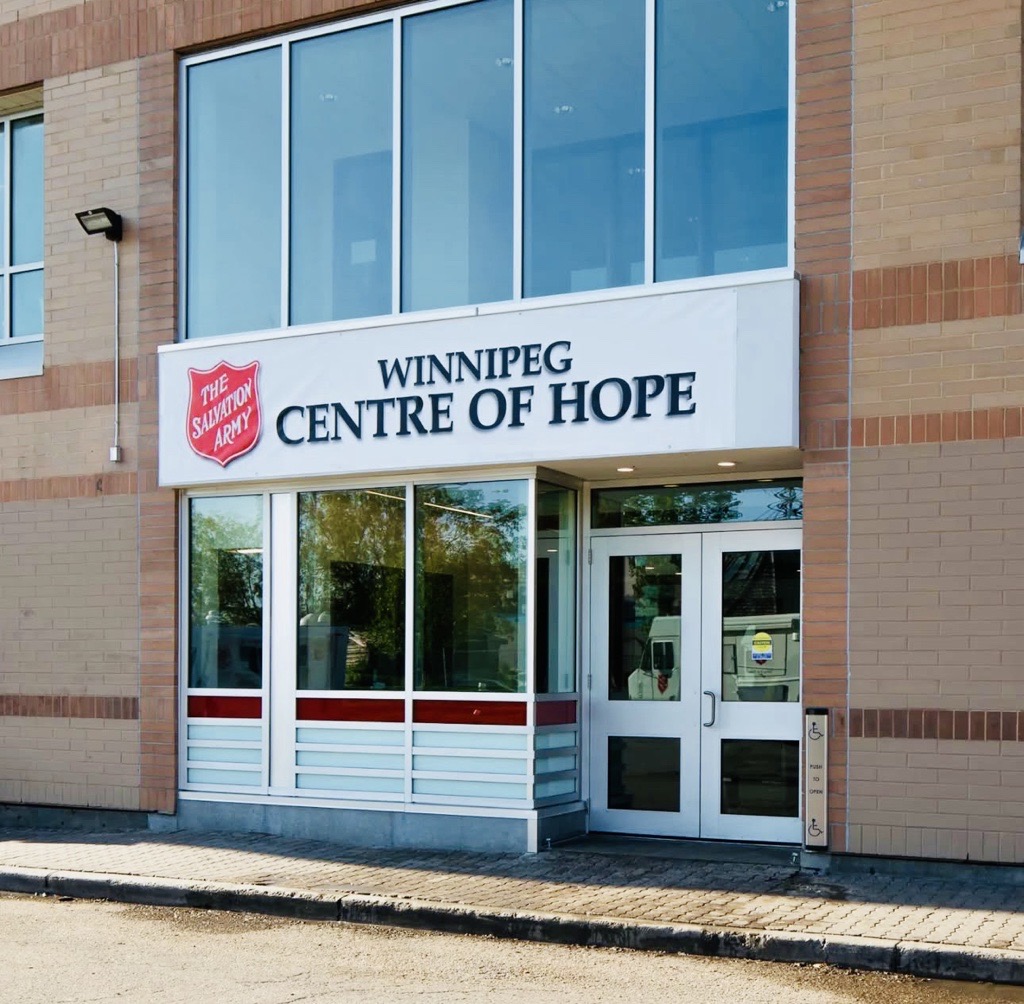
The Salvation Army Anchorage Booth Centre (now Winnipeg Centre of Hope) at 180 Henry Avenue provides residential addiction recovery, emergency shelter, transitional housing, aftercare, and wraparound community support for individuals and families in Winnipeg's core.
Athabasca Health Authority - Addiction Services
Athabasca Health Authority provides outpatient addiction and wellness services to five remote northern Saskatchewan communities including Black Lake and Fond du Lac Denesųłiné First Nations.
Attitude Centre de Ressourcement
Centre Attitude de Ressourcement in Piedmont, Quebec offers intensive residential addiction treatment in the Laurentians, emphasizing personal transformation and reconnection with self.
Awakenings Health and Wellness Centre
Awakenings Health and Wellness Centre in Abbotsford offers medically supervised detox, inpatient residential treatment, holistic therapy, and outpatient services for individuals dealing with alcohol, opioid, benzodiazepine, and other substance use disorders in the Fraser Valley.
BC Teen Challenge's Okanagan Men's Centre in Lake Country is a long-term faith-based residential recovery program for men, offering a minimum 12-month live-in program plus 18-month aftercare in a rural Okanagan Valley setting with holistic programming and Christ-centred recovery.
The Salvation Army Victoria ARC's Beacon of Hope House in Victoria provides inpatient residential addiction recovery, housing support, holistic counselling, and community services for individuals navigating addiction and homelessness on Vancouver Island.
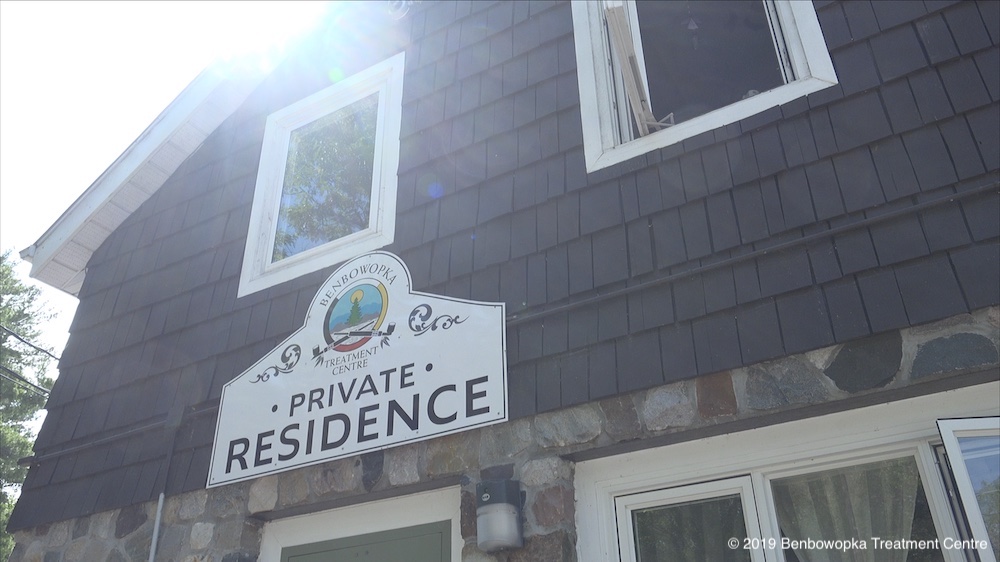
Benbowopka Treatment Centre
Benbowopka Treatment Centre in Blind River, Ontario is an Indigenous-led residential treatment centre founded by seven First Nations communities, offering culturally based harm-reduction inpatient and outpatient programming.
Bonnyville Indian Metis Rehabilitation Centre is a licensed 42-day residential addiction treatment facility in Bonnyville, Alberta, offering individualized, culturally grounded care that blends Indigenous healing practices with professional counselling for alcohol and drug addiction.
Brock Cottage
Brock Cottage in Brockville, Ontario is an LLGAMH residential addiction treatment home for men 19+, offering a long-term abstinence-based program of 5–7 months with therapeutic community programming.

Carcross/Tagish First Nation
Carcross/Tagish First Nation provides community-based outpatient addiction and wellness services grounded in Southern Tutchone and Tagish cultural traditions in Carcross, Yukon.

CIPTO in Gatineau, Quebec provides outpatient addiction intervention, prevention, and harm reduction services to individuals and communities across the Outaouais region.
Centre de Readaptation en Dependance de Lanaudiere - Centre Andre-Boudreau
Centre André-Boudreau in Saint-Jérôme, Quebec provides specialized outpatient addiction rehabilitation for youth and adults in the Lanaudière region, integrated within the CISSS de Lanaudière health network.
Centre de Readaptation Ubald-Villeneuve
Centre de Réadaptation Ubald-Villeneuve in Quebec City is the Capitale-Nationale's only public specialized addiction facility, offering residential, IOP, and dual diagnosis programming for youth and adults.
Centre Walgwan
Centre Walgwan in Maria, Quebec provides culturally grounded residential and outpatient addiction treatment for Indigenous youth, focused on empowering autonomous and resilient young people.
Chabad Project Pride
Chabad Project Pride in Montreal provides outpatient addiction counselling and recovery support informed by Jewish values, serving individuals and families through Chabad Lifeline's community-centred programs.
Get Help Now
Speak with an addiction specialist about alcohol addiction treatment treatment options.
+1-877-254-3348Get Support