Medical Detox
Find Medical Detox centers across Canada. Browse verified facilities offering evidence-based Medical Detox programs.
Medical disclaimer: This content is for informational purposes only and does not constitute medical advice, diagnosis, or treatment. Always consult a qualified healthcare professional before making decisions about addiction treatment.
Medical Detox
Medical detoxification is the medically supervised process of safely withdrawing from alcohol, opioids, benzodiazepines, or other substances while managing acute withdrawal symptoms. Lasting 3 to 10 days depending on the substance, medical detox provides 24-hour nursing care, physician oversight, and medications to reduce discomfort and prevent life-threatening complications. Detox is not addiction treatment — it is the essential medical foundation that makes treatment possible.
Why Medical Supervision Can Be Life-Saving
Withdrawal from alcohol and benzodiazepines can be fatal without medical care. Seizures, delirium tremens, cardiac arrhythmias, and respiratory failure are real risks. Opioid withdrawal is not life-threatening but causes severe physical distress that makes relapse almost inevitable without support. Medical detox prevents these complications and provides the safest path from active addiction into recovery.
The 4-Phase Detox Process
Phase 1: Assessment and Admission (Hours 0–4)
Comprehensive medical evaluation covering substance use history, withdrawal history, co-occurring conditions, and current medications. CIWA-Ar and COWS protocols establish withdrawal severity. Blood work and urine drug screens identify complications. Key question: what substances, how much, how long, and when was the last use?
Phase 2: Acute Stabilization (Hours 4–72)
Medication administration begins immediately. For alcohol: benzodiazepines to prevent seizures, thiamine and magnesium supplementation. For opioids: buprenorphine or methadone initiation, comfort medications. For benzodiazepines: controlled tapering with longer-acting agents. Vital signs monitored every 2 to 4 hours. Peak danger for alcohol is hours 12 to 48; for opioids, hours 24 to 48.
Phase 3: Medical Monitoring (Days 2–7)
24-hour nursing staff track symptoms, adjust medications, and monitor for complications. Physicians conduct daily rounds. Psychiatrists assess for co-occurring mental health conditions. Social workers begin discharge planning. Recovery education and introduction to AA and NA begin.
Phase 4: Discharge Planning (Days 3–10)
Referral to residential treatment, PHP, IOP, or outpatient counselling — ideally beginning within 24 to 48 hours of discharge. Medication prescriptions provided (buprenorphine, naltrexone, acamprosate). First support group meeting scheduled. Follow-up appointments booked. Safety plan established for high-risk situations. The days between detox discharge and treatment start represent the highest relapse risk period.
Withdrawal Timelines by Substance
Alcohol
Hours 6–12: Tremors, sweating, anxiety, nausea, rapid heart rate. Hours 12–48: Peak seizure risk; hallucinations possible. Days 2–4: Potential delirium tremens — confusion, fever, severe agitation. Days 5–7: Stabilization. Mortality is 5 to 15% if untreated; under 1% with medical detox.
Opioids
Hours 6–12: Anxiety, yawning, muscle aches, runny nose, sweating. Hours 24–48: Severe body aches, nausea, vomiting, diarrhea, chills, insomnia, intense cravings. Days 3–5: Gradual improvement with buprenorphine or methadone. Days 5–10: Physical symptoms largely resolved; psychological cravings persist. Not life-threatening but extremely uncomfortable without medication.
Benzodiazepines
Days 1–3: Rebound anxiety, insomnia, tremors, irritability. Days 3–7: Peak seizure risk, confusion, hallucinations. Weeks 2–4: Controlled taper with longer-acting agents. Weeks 4–8 or longer: Final taper. Abrupt cessation is high risk; controlled taper is safe.
Stimulants (Cocaine and Methamphetamine)
Days 1–3: Extreme fatigue, depression, hypersomnia, increased appetite. Days 4–10: Low energy, anxiety, irritability, strong cravings. Weeks 2–4: Mood stabilizes, sleep normalizes. Primarily psychological withdrawal; no seizure risk. Managed with comfort care, sleep aids, and nutritional support.
Medications Used in Detox
For Alcohol Withdrawal
- Benzodiazepines (chlordiazepoxide, lorazepam, diazepam) — prevent seizures, reduce tremors and agitation; tapered over 3 to 7 days
- Thiamine (Vitamin B1) — prevents Wernicke-Korsakoff syndrome
- Folic acid, magnesium, multivitamins — correct nutritional deficiencies
- Anti-nausea and sleep aids — comfort medications to manage symptoms
For Opioid Withdrawal
- Buprenorphine (Suboxone) — partial opioid agonist; eliminates withdrawal and reduces cravings; can be continued as maintenance
- Methadone — full opioid agonist; stabilizes withdrawal; long-term maintenance option
- Clonidine — reduces sweating, anxiety, and blood pressure spikes
- Comfort medications (loperamide, sleep aids) — manage diarrhea, muscle aches, insomnia
Access and Cost in Canada
Public Medical Detox — Free
Medical detox is covered by provincial health insurance at no cost. Walk into any hospital emergency department, call your provincial addiction helpline, or ask your doctor for a referral. Urgent cases are often seen same-day or within 1 to 3 days. If you need detox, cost is not a barrier in Canada.
Private Detox Centres — $2,000 to $5,000
Private detox facilities offer individual rooms, more comfortable amenities, and often same-day admission. Many private health insurance plans cover 50 to 80% of costs. Consider private if the public system has a wait and you need immediate care, or if you prefer a more comfortable environment.
What Detox Does — and Does Not — Do
Detox does: Safely manage acute withdrawal symptoms. Prevent life-threatening complications. Provide medical stabilization before entering addiction treatment. Connect you to the next level of care.
Detox does not: Address the psychological causes of addiction. Teach coping skills or relapse prevention. Guarantee sobriety after discharge. Substitute for addiction treatment. Detox alone, without follow-up treatment, has very high relapse rates.
Sources & Further Reading
Last reviewed
April 14, 2026
Centers Offering Medical Detox
Awakenings Health and Wellness Centre
Awakenings Health and Wellness Centre in Abbotsford offers medically supervised detox, inpatient residential treatment, holistic therapy, and outpatient services for individuals dealing with alcohol, opioid, benzodiazepine, and other substance use disorders in the Fraser Valley.
Cochrane District Detoxification Centre
Cochrane District Detoxification Centre in Smooth Rock Falls, Ontario is a 27-bed residential detox facility offering bilingual, 24/7 withdrawal management with culturally safe programming for northeastern Ontario communities.
Crosbie House in New Minas, NS is a not-for-profit residential addiction centre offering a 4-6 week structured programme with individual and group therapy, family support, holistic care, and on-site gym facilities, with a 75% one-year abstinence rate.

Foothills Detox Centre is an Alberta Health Services medical detoxification facility in Fort Macleod offering clinically supervised withdrawal management for alcohol, opioids, fentanyl, methamphetamine, cocaine, and benzodiazepines.
The Foundation for Youth Support at Fisherman's Memorial Hospital in Lunenburg provides outpatient addiction counselling and medically supervised detoxification for South Shore Nova Scotia residents, addressing alcohol, opioid, benzodiazepine, and other substance use concerns.
iRecover Alberta is a CARF-certified residential addiction treatment centre in Tees, Alberta, offering medically supervised detox, inpatient treatment for a wide range of substances, and a lifetime aftercare program with no referral required.
iRecover Okanagan in Coldstream, BC is a private CARF-accredited residential addiction treatment facility offering immediate access (no wait list, no referral) to medically supervised detox, residential treatment, and lifetime aftercare in the Okanagan Valley.
Kingston Health Sciences Centre’s Detoxification Centre
Kingston Health Sciences Centre's Detoxification Centre is southeastern Ontario's only detox facility, providing free, voluntary, short-stay withdrawal management for individuals 16+ in a safe, clinical environment.
Kwakiutl District Council Health in Campbell River, BC provides First Nations-led outpatient addiction counselling, medical detox support, and holistic health services for Kwakwaka'wakw and Indigenous community members on northern Vancouver Island.

Last Door Adult Program is an Accreditation Canada-certified 90-day residential treatment program for men 19+ in New Westminster, BC, offering medical detox, integrated community social model recovery, Keystone Retreat access, co-occurring disorder treatment, and comprehensive family programming.
Last Door Youth Program is an Accreditation Canada-certified residential treatment program in New Westminster, BC for youth ages 13–25, offering 3-month to 1-year programs with medical detox, outdoor therapy, educational support, and family involvement.
Medical Detox Ontario
Medical Detox Ontario (1000 Islands Addiction Treatment Centre) is a CARF-accredited private facility in the Thousand Islands region offering medically supervised detox and gender-specific addiction treatment.

Metis Addictions Council of Saskatchewan Inc
MACSI (Métis Addictions Council of Saskatchewan) provides culturally responsive residential, medical detox, and outpatient addiction treatment for Métis and other Saskatchewan residents from locations in Prince Albert, Saskatoon, and Regina.

The Native Courtworker and Counselling Association of BC (NCCABC) provides Indigenous outpatient addiction counselling, detox support, and mental health services in North Vancouver and Surrey, delivering culturally safe, trauma-informed care for Indigenous people across the Lower Mainland.
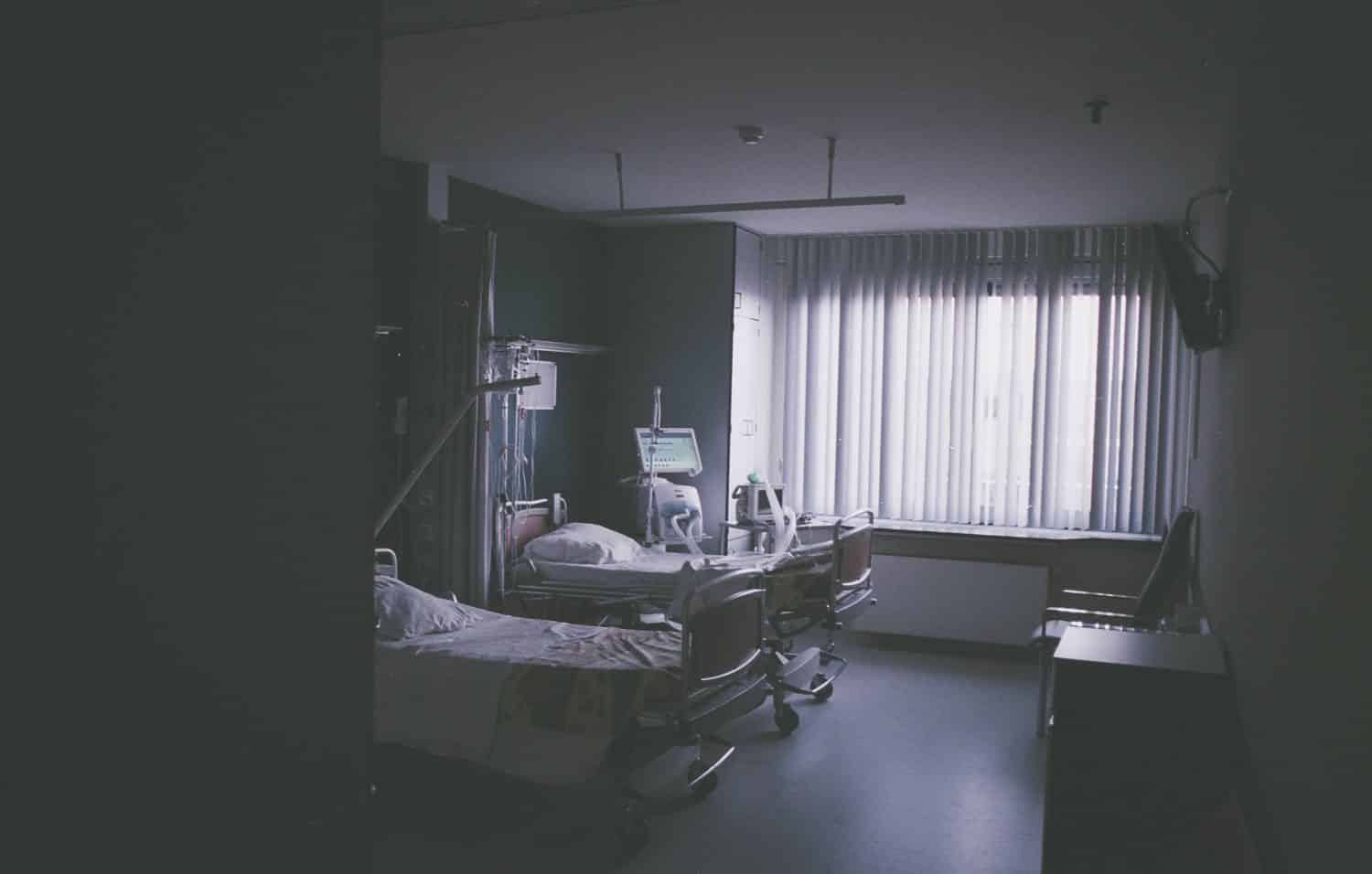
Neworld Medical Detox
Neworld Medical Detox (now Trafalgar Addiction Treatment Centres) in Limehouse, Ontario offers CARF-accredited medical detox and gender-specific residential addiction treatment for alcohol, opioids, and other substances.

Phoenix Centre (Day One Society) in Kamloops provides detoxification services, outpatient addiction counselling, youth and family support, and transitional living programs for individuals navigating substance use recovery in the Thompson-Nicola region of BC.
Robert Simard Centre
Robert Simard Centre in Meadow Lake, Saskatchewan is a Saskatchewan Health Authority voluntary social detoxification unit offering 7–10 day medically supervised withdrawal support for adults in northern Saskatchewan.
Safe Harbour Society
Safe Harbour Society is a Red Deer non-profit offering medically supported detox, outreach, Indigenous Wellbriety programming, and housing support — providing over 20 years of community-centred addiction recovery services in Central Alberta.
Souris Hospital
Souris Hospital (Health PEI) provides publicly funded addiction treatment including medical detox, intensive outpatient, and partial hospitalization programs for residents of eastern Prince Edward Island.
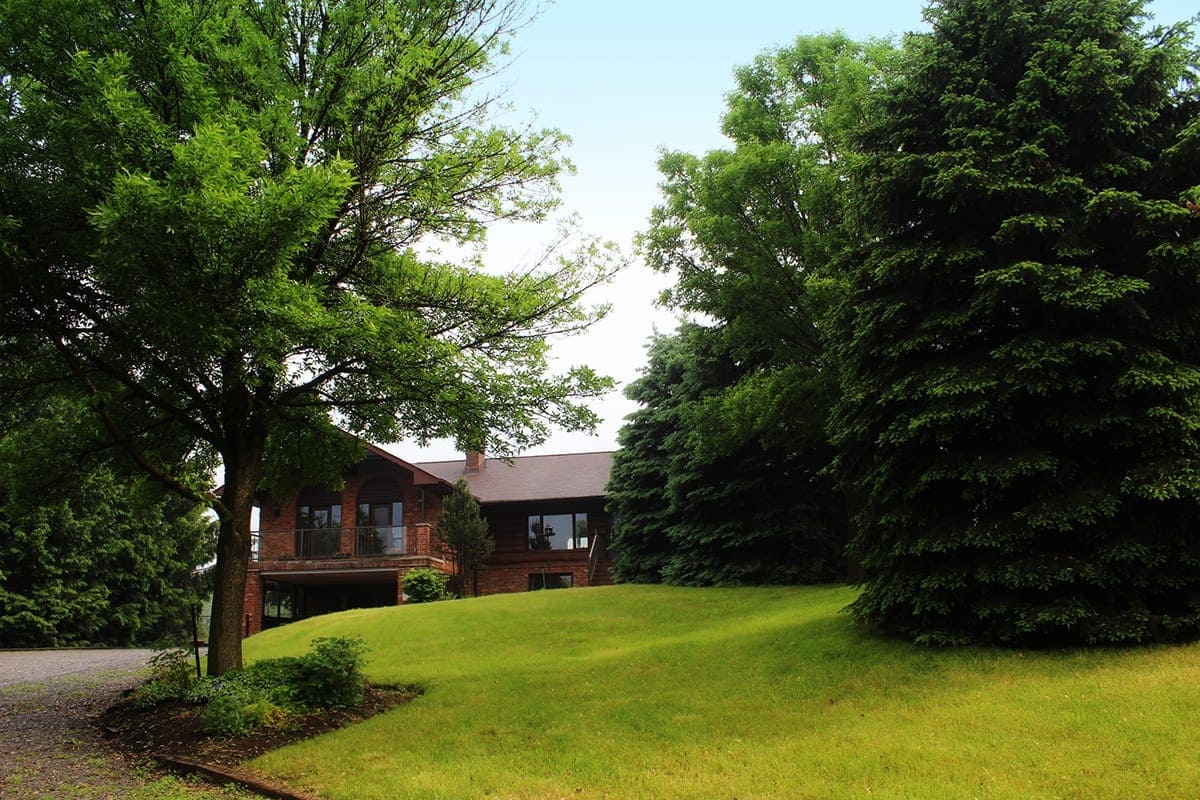
The Farm Rehab
The Farm Rehab in Stouffville, Ontario offers private gender-specific residential addiction treatment with medical detox, holistic therapies, and evidence-based programming for alcohol, opioids, and other substances.