Outpatient Treatment
Find Outpatient Treatment centers across Canada. Browse verified facilities offering evidence-based Outpatient Treatment programs.
Medical disclaimer: This content is for informational purposes only and does not constitute medical advice, diagnosis, or treatment. Always consult a qualified healthcare professional before making decisions about addiction treatment.
Outpatient Addiction Treatment
Outpatient treatment allows individuals to receive structured addiction therapy while continuing to live at home, work, attend school, and maintain family responsibilities. It ranges from weekly counselling sessions to intensive multi-day programs, and is suitable for people with mild to moderate addiction, strong support systems at home, or those transitioning from residential treatment. In Canada, most outpatient programs are available free through provincial health funding.
Who Outpatient Treatment Is Right For
- Mild to moderate addiction without severe physical dependence
- Stable, supportive home environment free from active substance use
- Employment, school, or caregiving obligations that make residential care difficult
- Stepping down from residential treatment or medical detox
- Motivated for change and able to maintain regular appointments
Outpatient is generally not suitable for people with severe addiction requiring medical supervision, those whose home environment includes active substance use, or those who need the structure and safety of 24-hour residential care.
Types of Outpatient Programs
Standard Outpatient (SOP)
1 to 2 sessions per week, 1 to 2 hours each. Individual counselling, group therapy, or both. Best for mild addiction, early-stage problems, or the maintenance phase of recovery. Free through most provincial health systems.
Intensive Outpatient Program (IOP)
3 to 5 days per week, 3 to 4 hours per session, typically 8 to 12 weeks. More structured — group therapy, individual sessions, psychoeducation, and relapse prevention. Best for moderate addiction, stepping down from residential, or when weekly counselling is insufficient.
Partial Hospitalization Program (PHP)
5 days per week, 5 to 8 hours per day, over 2 to 6 weeks. Highest intensity outpatient — near-full-day programming while sleeping at home. Group therapy, individual counselling, medical monitoring, and psychiatric services. Best for those needing near-residential intensity with a safe home to return to.
What Happens in Outpatient Sessions
Individual Counselling
One-on-one work with a counsellor or therapist addressing personal triggers, trauma, relationships, and motivation for change. Therapies include CBT, Motivational Interviewing, DBT, and trauma-focused approaches.
Group Therapy
Facilitated peer groups of 6 to 12 people. Sharing experience, building accountability, and reducing isolation. Often the core component of IOP and PHP programs, and among the most effective elements of addiction treatment.
Psychoeducation and Relapse Prevention
Learning about addiction as a brain disease, personal triggers and warning signs, and specific coping strategies. Developing a crisis plan and building a sober support network.
Family Involvement
Many programs offer family therapy sessions or family education groups addressing enabling behaviour, communication issues, and relationship repair.
Evidence-Based Approaches
- Cognitive Behavioural Therapy (CBT) — most evidence-based approach for addiction; identifies thought patterns and teaches practical coping strategies
- Motivational Interviewing (MI) — builds internal motivation and addresses ambivalence about stopping
- Dialectical Behaviour Therapy (DBT) — emotional regulation, distress tolerance, mindfulness; especially useful for trauma and personality disorders
- 12-Step Facilitation — introduces AA, NA, or other mutual aid groups and builds a long-term peer support network
- Medication-Assisted Treatment (MAT) — outpatient prescribing of buprenorphine, naltrexone, or acamprosate combined with counselling
Cost in Canada
Public outpatient is free through provincial health systems. Access through a family doctor referral or self-referral to community addiction services. Available in every province and territory.
Private outpatient costs $100 to $300 per session for individual therapy. Full IOP programs cost $5,000 to $15,000. Many private insurance plans cover 50 to 80% of costs. Employee Assistance Programs (EAP) often cover outpatient counselling at no cost to the employee.
Keys to Success in Outpatient
- Attend every session — consistency is critical to outcomes
- Build a sober support network alongside formal treatment
- Remove substances from your home environment
- Engage in mutual aid (AA, NA, SMART Recovery) as a complement to professional treatment
- Be honest with your counsellor — they can only help as much as you share
Sources & Further Reading
Last reviewed
April 14, 2026
Centers Offering Outpatient Treatment
Akwesasne Addiction and Counselling Program
Akwesasne Addiction and Counselling Program provides community-based outpatient addiction counselling for Mohawk community members in Cornwall, Ontario, grounded in Kanien'kehá:ka cultural values.
Alcare Place (now 2 Denarii Society) in Halifax/Dartmouth provided an 11-bed one-year residential recovery program for men 19+, offering life skills, relapse prevention, individual counselling, and holistic care partnered with the Nova Scotia Department of Health and Wellness.
Alcove Addiction Recovery for Women
Alcove Addiction Recovery for Women is a Calgary treatment centre offering gender-specific inpatient, outpatient, IOP, and sober living programs with holistic therapies for women overcoming addiction to alcohol, drugs, and other substances.
Algoma Substance Abuse Rehabilitation Centre
Algoma Substance Abuse Rehabilitation Centre (Breton House) in Sault Ste. Marie provides gender-specific residential and outpatient addiction treatment for adults in the Algoma region.
Amethyst Women's Addiction Centre
Amethyst Women's Addiction Centre in Ottawa provides non-residential outpatient addiction and gambling treatment programs for women, offering individual and group counselling in English and French.
Athabasca Health Authority - Addiction Services
Athabasca Health Authority provides outpatient addiction and wellness services to five remote northern Saskatchewan communities including Black Lake and Fond du Lac Denesųłiné First Nations.
Awakenings Health and Wellness Centre
Awakenings Health and Wellness Centre in Abbotsford offers medically supervised detox, inpatient residential treatment, holistic therapy, and outpatient services for individuals dealing with alcohol, opioid, benzodiazepine, and other substance use disorders in the Fraser Valley.
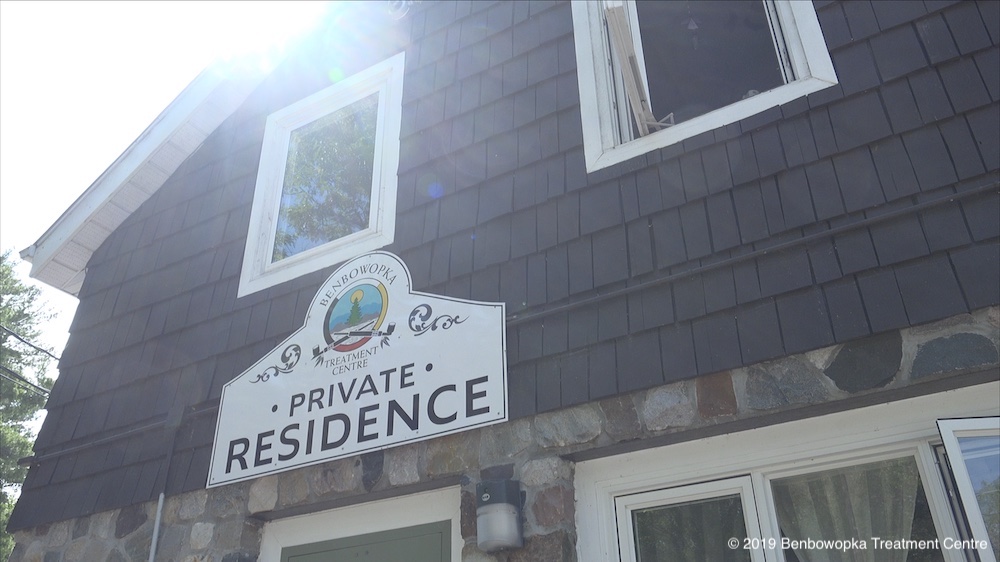
Benbowopka Treatment Centre
Benbowopka Treatment Centre in Blind River, Ontario is an Indigenous-led residential treatment centre founded by seven First Nations communities, offering culturally based harm-reduction inpatient and outpatient programming.

Carcross/Tagish First Nation
Carcross/Tagish First Nation provides community-based outpatient addiction and wellness services grounded in Southern Tutchone and Tagish cultural traditions in Carcross, Yukon.

CIPTO in Gatineau, Quebec provides outpatient addiction intervention, prevention, and harm reduction services to individuals and communities across the Outaouais region.
Centre de Readaptation en Dependance de Lanaudiere - Centre Andre-Boudreau
Centre André-Boudreau in Saint-Jérôme, Quebec provides specialized outpatient addiction rehabilitation for youth and adults in the Lanaudière region, integrated within the CISSS de Lanaudière health network.
Centre de Readaptation Ubald-Villeneuve
Centre de Réadaptation Ubald-Villeneuve in Quebec City is the Capitale-Nationale's only public specialized addiction facility, offering residential, IOP, and dual diagnosis programming for youth and adults.
Centre Walgwan
Centre Walgwan in Maria, Quebec provides culturally grounded residential and outpatient addiction treatment for Indigenous youth, focused on empowering autonomous and resilient young people.
Chabad Project Pride
Chabad Project Pride in Montreal provides outpatient addiction counselling and recovery support informed by Jewish values, serving individuals and families through Chabad Lifeline's community-centred programs.
Champagne and Aishihik First Nations Wellness Program
Champagne and Aishihik First Nations Wellness Program in Haines Junction, Yukon provides community-based outpatient addiction and wellness services grounded in Southern Tutchone culture.
Charles J. Andrew Healing Centre in Sheshatshiu, Labrador is a CAC-accredited 10-bed Indigenous residential treatment facility offering 12-week adult programs and youth services combining 50% clinical trauma-informed care with 50% Nutshimit land-based healing for Innu and First Nations peoples.

Chippewas of Nawash Health Centre
Chippewas of Nawash Health Centre in Wiarton, Ontario provides culturally grounded outpatient addiction counselling and community health services to members of the Neyaashiinigmiing First Nation.
Community Addiction Services of Niagara
Community Addiction Services of Niagara (CASON) provides comprehensive outpatient alcohol, drug, and gambling addiction treatment for individuals and families across the Niagara region.
Eagle's Nest Recovery House, operated by NADACA in Indian Brook NS, provides NNADAP-funded outpatient addiction counselling, drug prevention education, relapse prevention, and aftercare for Indigenous adults, grounded in Mi'kmaq cultural values and holistic approaches.
Edmonton Counselling Services is an outpatient counselling clinic offering evidence-based addiction treatment, trauma therapy, and mental health support in Edmonton — with multilingual staff, direct insurance billing, and both in-person and online sessions available.