Sober Living
Find Sober Living centers across Canada. Browse verified facilities offering evidence-based Sober Living programs.
Medical disclaimer: This content is for informational purposes only and does not constitute medical advice, diagnosis, or treatment. Always consult a qualified healthcare professional before making decisions about addiction treatment.
Sober Living Homes
Sober living homes — also called recovery residences or transitional housing — are structured, substance-free living environments for people in recovery. They bridge the gap between formal treatment and fully independent living by providing accountability, peer support, house rules, and a drug-free environment while residents rebuild their lives. Sober living is not addiction treatment, but it significantly improves long-term outcomes when used after residential or intensive outpatient care.
How Sober Living Works
Residents sign agreements committing to a set of house rules that create accountability and safety for everyone in the home:
- Zero tolerance for drugs and alcohol on the property
- Regular drug testing — weekly or random
- Attendance at house meetings
- Participation in recovery activities such as AA, NA, or SMART Recovery
- Contributing to household responsibilities — chores, cooking, shared upkeep
- Paying weekly or monthly rent
Types of Sober Living Environments
Level 1 — Peer-Run Recovery Residences
Minimal professional oversight, resident-managed with a house manager. Low cost ($400 to $800 per month). Best for people with a solid recovery foundation who need affordable sober housing.
Level 2 — Monitored Recovery Residences
House manager on-site or regularly present, regular drug testing, some structured activities. Moderate cost ($800 to $1,500 per month). Best for early recovery needing accountability and peer support.
Level 3 — Supervised Recovery Residences
Paid professional staff, required outpatient treatment participation, case management services. Higher cost ($1,500 to $3,000 per month). Best for those leaving residential treatment who need a supervised transition.
Level 4 — Service Provider Residences
Clinically managed with integrated outpatient treatment on-site. Highest support level outside residential. Best for complex cases with co-occurring disorders requiring ongoing clinical supervision.
Who Benefits Most from Sober Living
- People completing residential treatment with no safe home to return to
- Those in early recovery without a sober support network at home
- Individuals whose family home includes active substance use
- People rebuilding employment, financial, or legal stability
- Anyone who wants the accountability of a structured environment during early recovery
What the Research Shows
Studies consistently show that people who live in recovery residences after treatment have higher rates of sustained sobriety at 6 and 12 months, greater rates of employment and stable housing, lower rates of criminal activity, and stronger social support networks compared to those who return directly to previous environments.
Sober Living in Canada
Sober living homes are available in most Canadian cities and towns. Quality varies significantly — visit and ask questions before committing. Cost ranges from $400 per month for basic peer-run homes to $3,000 or more per month for supervised facilities with services. Some provincial programs subsidize sober living costs for people in recovery. To find one, ask your treatment program for referrals, search provincial addiction service directories, or contact local AA or NA central offices, which often maintain housing lists.
Sources & Further Reading
Last reviewed
April 14, 2026
Centers Offering Sober Living
Alcove Addiction Recovery for Women
Alcove Addiction Recovery for Women is a Calgary treatment centre offering gender-specific inpatient, outpatient, IOP, and sober living programs with holistic therapies for women overcoming addiction to alcohol, drugs, and other substances.
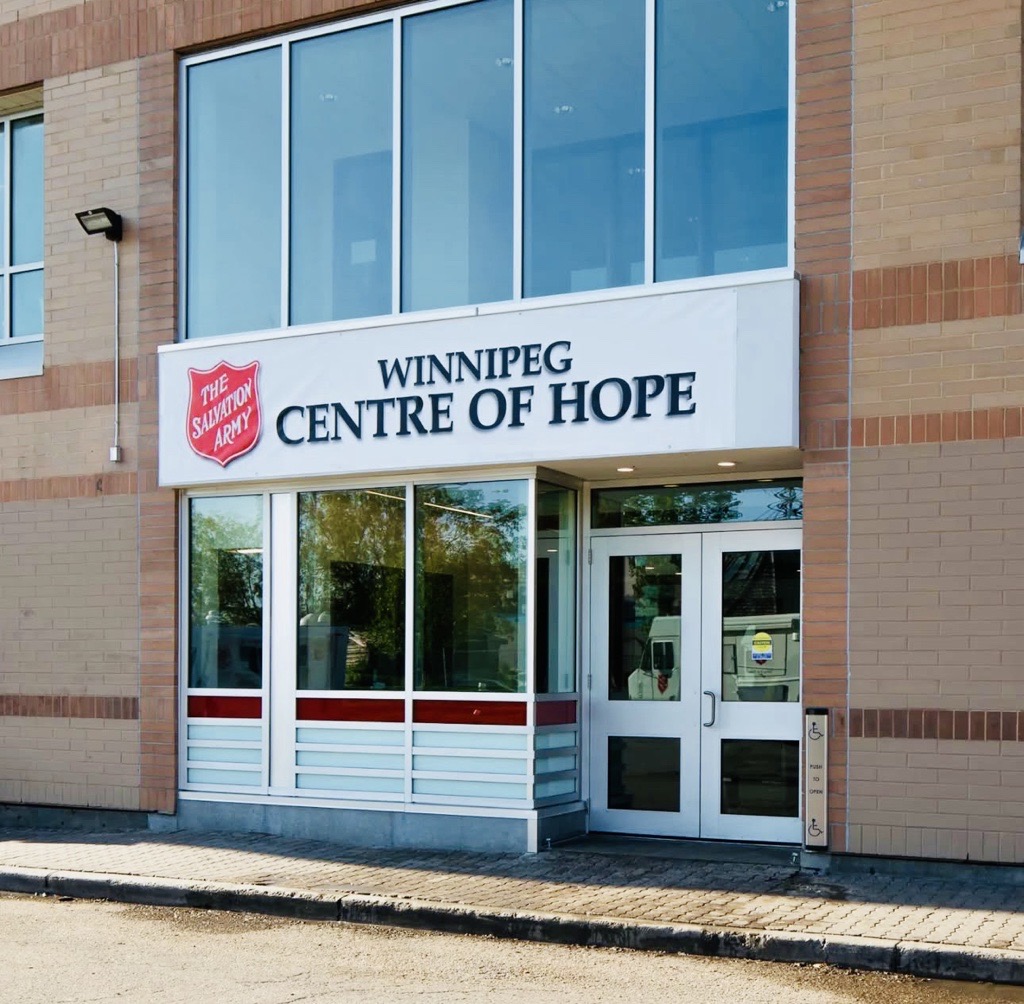
The Salvation Army Anchorage Booth Centre (now Winnipeg Centre of Hope) at 180 Henry Avenue provides residential addiction recovery, emergency shelter, transitional housing, aftercare, and wraparound community support for individuals and families in Winnipeg's core.
Community Addiction Services of Niagara
Community Addiction Services of Niagara (CASON) provides comprehensive outpatient alcohol, drug, and gambling addiction treatment for individuals and families across the Niagara region.

The Edmonton Addictions and Residential Centre at the Salvation Army Centre of Hope offers residential addiction treatment, stabilization, sober living, and transitional housing for men, with Canadian Accreditation Council accreditation and faith-informed wraparound care.
Fresh Start Recovery Centre is a Calgary non-profit offering long-term residential, outpatient, and sober living programs for men, with Accreditation Canada standing and a community-centred, 12-step and faith-based recovery philosophy.
Harvest House
Harvest House in Gloucester, Ontario is a faith-based residential addiction treatment program for men and women, offering gender-specific inpatient care, outpatient support, and transitional sober living.
Kapown Treatment Centre is a 32-bed NNADAP-funded residential facility on Buffalo Bay in Grouard, Alberta, offering 56-day residential, 42-day outpatient, and 6-month sober living programs with wilderness therapy, dual diagnosis support, and vocational rehabilitation.

LIFE Recovery is an Abbotsford women's residential addiction program offering a Christian faith-based two-stage residential model, day programming, and holistic care — helping over 2,000 women achieve lasting recovery over more than two decades.
Poundmaker's Lodge Treatment Centre is a CARF-accredited Indigenous addiction treatment facility in Sturgeon County, Alberta, offering inpatient, outpatient, and sober living programs that blend clinical care with First Nation cultural healing traditions.

Round Lake Treatment Centre is a CARF-accredited Indigenous residential facility in Armstrong, BC, operating under the philosophy that 'Culture Is Treatment' — integrating medicine wheel teachings, Elder guidance, and trauma-informed care with inpatient and recovery lodge programming.
Salvation Army Anchorage Program
The Salvation Army Anchorage Program (Ottawa Booth Centre) provides faith-informed residential addiction treatment, outpatient services, and transitional housing for men in Ottawa, Ontario.

Serenity House
Serenity House has provided addiction recovery services to men in Ottawa since 1969, offering a nine-week inpatient program and 24 transitional housing beds across three sober living homes.
Union Gospel Mission Winnipeg provides faith-based residential addiction recovery, sober living, outpatient counselling, and street ministry for individuals dealing with addiction, homelessness, and poverty in Winnipeg, guided by Christian principles of restoration and transformation.
Wayside House of Hamilton
Wayside House of Hamilton has empowered substance-dependent men since 1967 through a 10–12 week Ministry-funded residential program, transitional housing, and lifetime aftercare support.
Westminster House is a CARF-accredited women-only residential treatment centre in New Westminster, BC, offering medically supervised detox, 90-day to 6-month residential programs, holistic and Elder-led healing, and long-term recovery housing for adult women and youth girls since 1981.
The Winnipeg Booth Centre is a Salvation Army facility offering emergency shelter, sober living, and 60-day rehabilitation programming for individuals facing alcohol and drug addiction in downtown Winnipeg.