Rehab Centers in Quebec
Find quality addiction treatment and rehabilitation services in Quebec. Browse 13 treatment centers offering comprehensive recovery programs.
Browse by City:
13 Treatment Centers in Quebec
Professional addiction treatment centers serving Quebec
Attitude Centre de Ressourcement
Centre Attitude de Ressourcement in Piedmont, Quebec offers intensive residential addiction treatment in the Laurentians, emphasizing personal transformation and reconnection with self.

Centre d'intervention et de prevention en toxicomanie de l'Outaouais
CIPTO in Gatineau, Quebec provides outpatient addiction intervention, prevention, and harm reduction services to individuals and communities across the Outaouais region.
Centre de Readaptation en Dependance de Lanaudiere - Centre Andre-Boudreau
Centre André-Boudreau in Saint-Jérôme, Quebec provides specialized outpatient addiction rehabilitation for youth and adults in the Lanaudière region, integrated within the CISSS de Lanaudière health network.
Centre de Readaptation Ubald-Villeneuve
Centre de Réadaptation Ubald-Villeneuve in Quebec City is the Capitale-Nationale's only public specialized addiction facility, offering residential, IOP, and dual diagnosis programming for youth and adults.
Centre Walgwan
Centre Walgwan in Maria, Quebec provides culturally grounded residential and outpatient addiction treatment for Indigenous youth, focused on empowering autonomous and resilient young people.
Chabad Project Pride
Chabad Project Pride in Montreal provides outpatient addiction counselling and recovery support informed by Jewish values, serving individuals and families through Chabad Lifeline's community-centred programs.
Maison La Bouee
Maison La Bouée in Laval, Quebec provides outpatient addiction coaching and counselling guided by a human potential philosophy, supporting individuals dealing with alcohol abuse and related emotional challenges.
Mawiomi Treatment Services
Mawiomi Treatment Services in Gesgapegiag, Quebec provides Mi'gmaq-centred residential and outpatient addiction treatment for Indigenous communities in the Gaspésie region.
Onen'tó:kon Healing Lodge
Onen'tó:kon Healing Lodge in Kanehsatake, Quebec is a 16-bed Indigenous residential addiction treatment facility offering a six-week trauma-focused, culturally based program for men and women 18+ on Mohawk Territory.
POSA Source des Monts
POSA Source des Monts in Chambly, Quebec provides outpatient addiction counselling and community-integrated support services for individuals and families in the Montérégie region.
Villa Ignatia
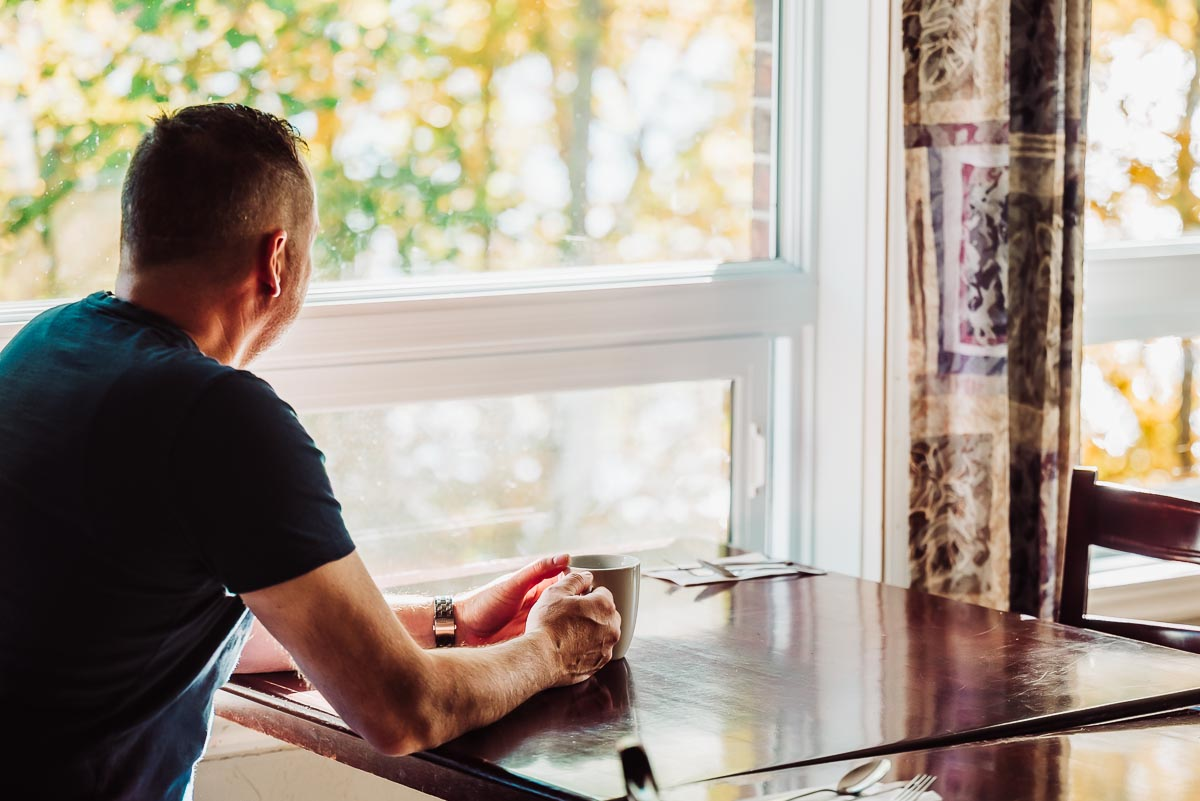
Villa Ignatia in Quebec City provides holistic, spiritually informed residential and outpatient addiction treatment, integrating whole-person care with evidence-based programming.
Vision d'Espoir de Sobriete
Vision d'Espoir de Sobriété in Baie-Saint-Paul, Quebec provides 24/7 outpatient addiction intervention and holistic support for adults 18+ in the Charlevoix region, with crisis lines available around the clock.
Wanaki Treatment Centre
Wanaki Treatment Centre in Maniwaki, Quebec provides dual diagnosis residential and outpatient addiction treatment with Indigenous cultural programming for the Algonquin and broader Outaouais community.
Addiction Treatment in Quebec
Quebec, Canada’s second-most populous province, faces significant addiction challenges with
approximately 600,000 residents affected by substance use disorders. The province
experienced over 500 opioid-related deaths in 2023, though rates remain lower than
Western Canada. Alcohol use disorder remains the most prevalent substance issue, affecting an estimated
3.8% of Quebec adults.
Quebec operates a distinct healthcare model with Centres intégrés de santé et de services sociaux (CISSS)
coordinating addiction services regionally. The province emphasizes community-based treatment and harm
reduction, with strong public infrastructure in urban areas but service gaps in remote regions. Treatment
is primarily conducted in French, though English services are available in Montreal and certain regions.
Substance Use in Quebec
According to Institut national de santé publique du Québec (INSPQ) and provincial health data:
- 500+ opioid-related deaths in 2023 (lower per-capita rate than Western provinces)
- Fentanyl presence increasing but less prevalent than BC/Alberta
- Alcohol: 20% of Quebecers report hazardous drinking (highest in Canada)
- Cannabis: 22% used cannabis in past year
- Cocaine use: Montreal has higher cocaine use rates than national average
- 600,000+ Quebecers estimated to have substance use disorder
Sources: Institut national de santé publique du Québec (INSPQ); Quebec Coroner Reports;
Enquête québécoise sur la santé de la population (2023)
Treatment Options in Quebec
Public (Government-Funded) Treatment
Quebec’s public system operates through regional CISSS/CIUSSS centers:
- • Ligne québécoise d’aide en toxicomanie: 1-800-265-2626 (24/7, French/English)
- • Detoxification: Hospital and community-based withdrawal management. Typically
2-5 day wait. - • Residential treatment: Publicly-funded beds available (28-90 days). Wait times:
2-6 weeks depending on region. - • External centers (CRD/CRT): Community-based residential treatment funded by RAMQ.
Readaptation centers for addiction. - • Methadone/buprenorphine: Covered by RAMQ. Clinics in Montreal, Quebec City,
Gatineau, other urban centers. - • Outpatient counseling: Free through CISSS and community organizations.
Private Treatment
- • Cost: $8,000-$35,000 for 30-90 day programs
- • Location: Montreal, Quebec City, Laurentians, Eastern Townships
- • Language: Both French and English programs available
- • Insurance: Many Quebec employers include addiction coverage (typically $5,000-$15,000)
Quebec-Specific Resources
- • Ligne québécoise d’aide en toxicomanie: 1-800-265-2626
- • Info-Santé 811: Health information and addiction referrals
- • CRAN (Centre de recherche et d’aide pour narcomanes): Montreal harm reduction,
supervised injection—cran.qc.ca - • MSSS (Ministère de la Santé): Provincial health ministry addiction resources
Sources & References
1. Institut national de santé publique du Québec (INSPQ). Surveillance des décès liés aux opioïdes. 2024.
inspq.qc.ca
2. Gouvernement du Québec. Enquête québécoise sur la santé de la population. 2023.
statistique.quebec.ca
3. Ministère de la Santé et des Services sociaux du Québec. Services en dépendance. 2024.
quebec.ca
4. Centre de recherche et d’aide pour narcomanes (CRAN). Services de réduction des méfaits. 2024.
cran.qc.ca
Need Help in Quebec?
Call our 24/7 helpline to speak with an addiction specialist and find the right treatment program in Quebec.
Call +1-877-254-3348